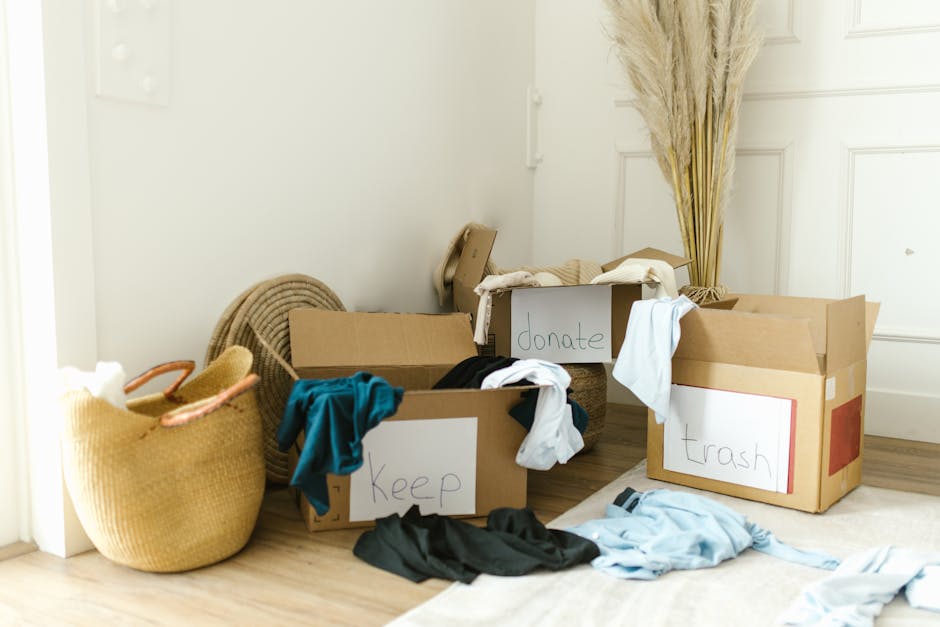
Eco friendly waste removal Tunbridge Wells recycle and donate: a practical guide to doing disposal the right way
If you're clearing a home, flat, office, garage, or garden in Tunbridge Wells, the last thing you want is a skip-full of usable items heading straight to landfill. Eco friendly waste removal Tunbridge Wells recycle and donate is about handling unwanted items with a bit more thought: sorting what can be reused, recycling what can be processed properly, and disposing of the rest in a responsible, compliant way. Simple idea. Better outcome.
In practice, that means fewer wasted materials, less hassle for you, and a cleaner handover at the end of the job. It also means looking beyond the obvious junk pile. That old chair in the corner? Maybe it's donation-ready. The mixed renovation waste in the garage? It may need careful separation. The broken office desk? Parts of it could still be recyclable. If that sounds like extra effort, fair enough - but once a system is in place, the whole thing becomes much easier than people expect.
This guide explains how eco-conscious waste removal works locally, what can usually be recycled or donated, where problems tend to creep in, and how to choose the most sensible route for your situation. You'll also find a checklist, a comparison table, and a straightforward FAQ at the end.
Why Eco friendly waste removal Tunbridge Wells recycle and donate Matters
Waste removal is often treated as a one-way process: load it, take it away, job done. But that approach misses a lot. Many clearances contain items with some life left in them, and many materials can be diverted from landfill if they're sorted properly. Eco friendly waste removal Tunbridge Wells recycle and donate matters because it reduces unnecessary waste and keeps useful items in circulation for longer.
That matters locally too. Tunbridge Wells has a mix of period homes, modern flats, commercial premises, and properties undergoing renovation. In real life, that means a clearance may include everything from wardrobes and mattresses to office chairs, timber offcuts, broken appliances, garden cuttings, cardboard, and the occasional mystery box nobody wants to open. The greener the process, the less of that ends up mixed together and lost to landfill.
There's also a trust angle. People increasingly want to know where their waste is going. Not in an abstract, box-ticking way - in a proper, "can I feel good about this?" way. Recycling and donation give a clearer answer. Usable furniture can help someone else. Recyclable material can be separated. Only the residue needs disposal. That's a much better story than simply tipping everything as mixed waste.
Key takeaway: the most responsible clearance is usually the one that treats each item as a decision, not just as rubbish.
To make that easier, a well-run service should be able to explain what happens to different item types, how donations are identified, and what happens when recycling is not possible. If you want to explore the broader approach behind this, the site's recycling and sustainability page is a useful place to start, and the main waste removal service page gives a wider overview of clearance options.
How Eco friendly waste removal Tunbridge Wells recycle and donate Works
The process usually starts with sorting. That sounds obvious, but it is the whole game. Items are separated into broad categories: reusable, recyclable, repairable, and disposable. The more carefully this happens, the more can be diverted away from waste facilities. In a typical domestic clearance, for example, a service may identify furniture suitable for donation, metals and clean wood for recycling, and broken mixed materials for disposal.
Donation is usually the first win. If furniture, household goods, or office items are in reasonable condition, they may be suitable for donation to a charity, reuse outlet, or community scheme. That doesn't mean every item gets a second life - a stained mattress or water-damaged wardrobe probably won't - but many surprisingly ordinary things do. A solid bookcase with a few scuffs, a dining table with minor wear, even a decent office chair. These are the kinds of items people often overlook.
Recycling comes next. Different materials are handled differently, and that is where experience matters. Wood, metal, cardboard, certain plastics, and green waste may each follow separate routes depending on condition and contamination. A rusty shelving unit and a scrap of clean aluminium are not the same thing, obviously, though both may have value once separated. The practical job is to keep clean streams clean.
Only after reuse and recycling options have been considered should disposal be the default. That final stage should still be controlled and compliant, not vague or improvised. Good waste management is a process of elimination, not a shortcut.
For bigger or more mixed jobs, services such as house clearance, home clearance, office clearance, and furniture clearance can be especially useful because they often involve multiple item types and the need to sort on site rather than after the fact.
Key Benefits and Practical Advantages
Eco-friendly clearance is not just about being "green" in a vague branding sense. It usually brings several practical benefits that people notice quite quickly.
- Less landfill waste: reusable and recyclable items are separated before the final load is treated as waste.
- Better value from unwanted items: donation and reuse extend the life of furniture and household goods.
- Less stress for the customer: one organised removal is usually easier than trying to sort everything yourself.
- Cleaner spaces faster: a thoughtful clearance can still be efficient, even when it is environmentally responsible.
- Improved disposal confidence: you know the job was handled with care rather than guessed at.
There's also a surprisingly emotional benefit. Sorting a property after a move, bereavement, renovation, or business closure can be draining. Knowing that useful items will be donated rather than dumped can make the whole process feel more humane. A lot of people notice that. It softens the job a bit, which matters when the day is already long enough.
In commercial settings, the benefits are similar but the priorities shift slightly. Offices and business premises often need fast removal, clear documentation, and sensible handling of furniture, electronics, and mixed rubbish. In those cases, eco-friendly disposal can support both operational tidiness and a cleaner internal policy. The same applies to builders and trades jobs where sorted materials can reduce the amount of mixed waste. If that's your world, the pages for business waste removal and builders waste clearance are worth a look.
Who This Is For and When It Makes Sense
Pretty much anyone with a significant amount of unwanted stuff can benefit, but the strongest fit is usually for people who want both convenience and conscience. That combination matters more than people admit.
This approach makes sense if you are:
- clearing out a house after a move, death, or long-term tenancy;
- emptying a flat, loft, garage, or shed full of mixed items;
- replacing old furniture and want usable pieces to be donated;
- managing office furniture, storage rooms, or archive clearances;
- tidying a garden and want green waste handled responsibly;
- dealing with renovation debris that includes recyclable materials;
- trying to reduce the environmental impact of a one-off clearance.
There are also situations where it is especially sensible to choose a clearance service rather than trying to DIY it. If access is awkward, if there are heavy items, if the load is larger than your car can handle, or if the items are mixed and you are not sure what goes where, the time saved alone can justify it. And let's face it: nobody enjoys loading a broken wardrobe into a hatchback at 7am in the rain.
For compact living spaces, the flat clearance service can be particularly handy. For larger property-wide jobs, loft clearance and garage clearance often uncover a lot more recyclable and donate-worthy material than people expected.
Step-by-Step Guidance
If you want the process to go smoothly, a little preparation helps. Not everything needs to be sorted in detail before the team arrives, but a basic plan will save time and avoid confusion.
- Walk through the property and group items broadly. Separate furniture, electronics, garden waste, books, textiles, mixed rubbish, and anything you already know is fragile or valuable.
- Decide what should definitely be kept. This sounds obvious, but in a busy clearance it is easy for important paperwork or sentimental bits to get bundled into the wrong pile.
- Flag donation-ready items. Good-condition chairs, tables, wardrobes, shelving, small appliances, and office furniture are often worth highlighting clearly.
- Point out hazardous or awkward materials early. Paints, chemicals, electrical items, and damaged sharp materials need special handling. Do not leave them buried at the back of a garage.
- Ask how reusable items are separated. A reputable service should be able to explain its recycling and donation approach in plain English.
- Check access in advance. Parking, staircases, narrow hallways, and entry codes can all affect timing. A small detail, but it matters.
- Confirm what happens after collection. You want to know whether items are reused, recycled, or disposed of through proper routes.
For furniture-heavy jobs, it can help to look at the related furniture disposal service as well, because the condition of each item often determines whether it is donated, recycled, or removed as waste. A damaged sofa and a perfectly good armchair may travel very different paths. Same room, different outcome.
If you are choosing between a house-wide clearance and a smaller targeted job, think about the amount of sorting needed, not just the volume. Sometimes a smaller job takes longer because everything is mixed together. Annoying, but true.
Expert Tips for Better Results
Here's where a few practical habits make a real difference. Nothing flashy. Just the sort of detail that helps the day run smoother.
- Keep donation items clean and accessible. A donation-ready item buried under rubble or black bags is easy to miss, even for experienced teams.
- Separate soft furnishings from hard materials where possible. It speeds up sorting and reduces contamination.
- Photograph valuable or complex items before collection. Not for drama, just to keep everyone on the same page.
- Be honest about condition. If something is broken, water-damaged, or partly dismantled, say so. It prevents delays.
- Don't mix recyclable materials with food waste or wet rubbish. Once contaminated, they may no longer be suitable for recycling.
- Prioritise one category at a time. If you're doing some pre-sort yourself, start with furniture, then paper/cardboard, then metals, then general waste. That order usually makes life easier.
A useful rule of thumb: if you would feel comfortable giving the item to a friend, it is probably worth asking whether it can be donated. If not, it may still be recyclable. And if not that either, disposal becomes the last step. Not the first.
For particularly sensitive clearances, take a moment to review trust and operational pages like insurance and safety and health and safety policy. Those pages help set expectations around careful handling, which is exactly what you want when stairs are narrow or items are bulky.
Common Mistakes to Avoid
Most problems come from rushing. Not always, but usually. A few avoidable mistakes show up again and again:
- Assuming everything "old" is rubbish. Some older furniture is still useful, especially if it is solid and structurally sound.
- Leaving sorting until the last minute. This often leads to mixed loads, which makes reuse and recycling harder.
- Forgetting about hidden items. Lofts, sheds, under-stairs cupboards, and filing cabinets love to hide things nobody remembers until the van arrives.
- Not flagging electrical or hazardous materials. These need special treatment and can't just be thrown in with general waste.
- Choosing the cheapest option without checking the process. Low price alone is not the point if the waste is handled badly.
Another common one: people keep a few items "just in case" and then find they've kept the worst pieces. It happens. We all do it. The trick is to be decisive about what actually has value or use.
For larger mixed clearances, the house clearance and home clearance pages are useful reminders that a broad, well-managed service is often less stressful than trying to micromanage every single object yourself.
Tools, Resources and Recommendations
You do not need specialist equipment to prepare for an eco-friendly clearance, but a few simple tools help:
- strong bin bags or boxes for smaller items;
- labels or sticky notes to mark donation, recycle, and keep piles;
- gloves for sorting lofts, garages, or gardens;
- a torch for dark storage areas and tucked-away corners;
- a tape measure if you need to confirm whether furniture can be removed through doors or stairwells;
- a phone camera for quick item checks and access notes.
On the service side, look for a provider that gives clear answers to a few basic questions: what happens to donated items, how recyclable waste is separated, whether heavy lifting is included, and how pricing is explained. A clear written quote matters here. If you want to compare costs and request the right level of service, the pricing and quotes page is the most relevant place to start.
You may also want to review broader company information if trust is important to you - and it usually is. The about us page gives background on the team, while the payment and security page is helpful if you want reassurance around how transactions are handled. Small things, but they help build confidence.
Law, Compliance, Standards, or Best Practice
For waste removal in the UK, compliance is not something to wave away. You do not need to become a legal expert, but you do need a service that handles waste properly and can explain its approach clearly. In practice, that means using authorised disposal routes, handling waste responsibly, and keeping good records where required. If waste is being moved, stored, sorted, or transferred, those steps should be managed in line with accepted industry practice.
For businesses, this matters even more. Commercial waste should be handled in a way that supports duty of care expectations, sensible segregation, and traceable disposal. For households, the same general principle still applies: waste should not be dumped, fly-tipped, or passed off carelessly. Sounds obvious, but the consequences can be messy when it goes wrong.
Best practice also includes:
- sorting reusable items before disposal;
- keeping recyclable materials as clean as possible;
- separating hazardous items for proper handling;
- choosing transparent providers;
- retaining clear booking and payment details for your own records.
If you are reviewing policies and trust signals, it can be useful to look at the site's terms and conditions, privacy policy, cookie policy, and complaints procedure. These do not directly change how waste is recycled, of course, but they do tell you a lot about how the business is run. That counts.
Options, Methods, or Comparison Table
There is more than one way to clear waste responsibly. The best option depends on time, item type, access, and how much sorting you are willing to do yourself.
| Option | Best for | Pros | Watch-outs |
|---|---|---|---|
| DIY sorting and trips to facilities | Small loads, plenty of time, simple items | More control, potentially lower direct cost | Time-consuming, awkward lifting, sorting can go wrong |
| Donation-first clearance | Good-condition furniture and household goods | Strong reuse outcome, less waste, often satisfying | Not everything qualifies, condition matters a lot |
| Professional eco-friendly waste removal | Mixed loads, larger clearances, tight timelines | Fast, organised, less stress, better sorting potential | Quality varies, so choose carefully |
| Mixed general waste collection | Low-value, non-reusable items | Simple and quick | Usually the least sustainable route if used too early |
In many real cases, the best answer is a blend. A property clearance may begin with donation and recycling, then finish with a smaller general waste load. That is usually more sensible than treating every item as the same thing. It's a little more work in the planning stage, but the payoff is real.
Case Study or Real-World Example
Picture a common Tunbridge Wells scenario: a homeowner is preparing a property for sale after a long period of storage and gradual accumulation. The loft has boxed-up books, a broken suitcase, a few framed prints, and some old lamps. The garage holds a tired workbench, a usable chest of drawers, paint tins, cardboard, and a pile of garden odds and ends. Nothing dramatic. Just the usual mixture of useful, recyclable, and frankly embarrassing stuff.
The eco-friendly approach begins by separating the chest of drawers and the framed prints for possible donation or reuse. Cardboard is kept clean and grouped. Metals from the workbench and lamp parts are isolated. Paint tins are identified early so they do not contaminate the rest of the load. The broken suitcase and mixed refuse go in the residual waste stream. The result is not glamorous, but it is tidy, efficient, and far less wasteful than sending the lot out as one anonymous heap.
What the homeowner usually notices most is not just the cleared space. It's the feeling that useful things were not thrown away without thought. That matters more than people expect, especially when a property has a bit of family history hanging around in every room.
A similar pattern often appears in office clearances too. A few desks are beyond repair, but chairs and cabinets are still serviceable. In that case, eco-friendly sorting can reduce waste while keeping the move-out process moving. The office clearance service is the relevant route when the job is commercial and time-sensitive.
Practical Checklist
Use this checklist before collection day:
- Identify what must stay in the property.
- Mark items suitable for donation.
- Group recyclables separately where practical.
- Set aside hazardous or special items for discussion.
- Clear access routes where possible.
- Check parking or entry restrictions.
- Take quick photos of bulky or valuable items if helpful.
- Ask how reusable items will be handled after collection.
- Confirm the quote covers lifting, loading, and disposal.
- Keep booking details and receipts in one place.
Practical summary: the best eco-friendly clearance is not the one that sounds greenest on paper; it is the one that reliably separates reuse, recycling, and disposal without creating extra hassle for you.
If you are still comparing options, the simplest next step is to review the service fit for your property type and decide how much sorting you want done on your behalf. For many readers, that answer becomes clear once they think through the volume, the access, and whether items are likely to be donated.
Get a free quote today and see how much you can save.
Conclusion
Eco friendly waste removal Tunbridge Wells recycle and donate is really about making a sensible decision with the items you no longer need. Reuse what still has life in it. Recycle what can be processed properly. Dispose of the rest carefully. That approach is better for the environment, more useful for the community, and usually calmer for you as well.
Whether you are clearing a family home, a rental flat, a garage full of years of "I'll deal with that later", or an office that needs a clean reset, the smartest route is the one that combines practical handling with genuine responsibility. A little planning goes a long way. And once the clutter is gone, the relief is immediate - you can almost hear the room breathing again.
When you are ready, choose the option that gives you both a clean space and a clear conscience. That's the standard worth aiming for.
Frequently Asked Questions
What does eco friendly waste removal actually mean?
It means unwanted items are sorted so reusable goods are donated, recyclable materials are separated where possible, and only the remaining waste is disposed of. The focus is on reducing landfill and handling items responsibly.
Can furniture really be donated during a clearance?
Yes, if it is in good enough condition. Solid wardrobes, tables, chairs, shelving, and similar items are often suitable, but staining, structural damage, or heavy wear can rule them out. Condition is everything here.
What kinds of items are usually recycled?
Common recyclable items include metals, cardboard, some plastics, clean wood, and certain garden or green waste materials. Contamination makes recycling harder, so cleaner separation always helps.
Is eco friendly waste removal more expensive?
Not always. Pricing depends on volume, access, item types, and how much sorting is involved. In some cases, reuse and recycling can actually improve overall value by reducing disposal needs.
Do I need to sort everything before the team arrives?
No, not usually. A basic separation of keep, donate, and recycle piles helps, but a professional clearance team can often sort items during collection. The more organised you are, the smoother it tends to go.
What happens to items that cannot be donated?
They are usually assessed for recycling first. If recycling is not suitable, they move into the appropriate disposal stream. The aim is to keep the final waste load as small as possible.
Is this suitable for offices and businesses too?
Absolutely. Office furniture, archived materials, shelving, and mixed commercial items can often be sorted for reuse or recycling. For business premises, clear handling and compliance matter just as much as speed.
How do I know a clearance provider is trustworthy?
Look for clear pricing, transparent service information, safety and insurance details, and straightforward policies. Good providers should explain how they handle donations, recycling, and disposal without being vague.
What should I do with old electrical items?
Electrical items need careful handling and should not be mixed casually with general waste. Let the clearance team know what you have, especially if items are damaged, bulky, or contain batteries.
Is a house clearance better than booking waste removal separately?
It depends on the job. If you are clearing a whole property, a house clearance or home clearance is often more efficient. If the load is smaller or more specific, waste removal may be enough.
Can garden waste be part of an eco-friendly clearance?
Yes. Green waste, branches, soil, and old garden items can often be handled separately from household rubbish. A dedicated garden clearance is usually the tidiest option when the outside space has got out of hand a bit.
What is the best first step if I want to donate and recycle properly?
Start by identifying the items that are clearly reusable, then group recyclable materials, and finally list the awkward or hazardous bits. From there, ask for a quote and make sure the service explains exactly how it handles each category.